Interest rates are quoted everywhere: on savings accounts, loans, credit cards, and in every central bank announcement. Yet the rate you see is not always the rate you effectively get, because inflation quietly changes what that interest is worth. The Nominal Rate: The Number You See …
Not long ago, most purchases were simple, one-time events: you paid for a product and owned it. Today, a growing share of household spending flows out automatically every month to streaming services, apps, software, and memberships. This shift has quietly reshaped how consumers spend, how businesses …
Almost every government owes money, and headlines about national debt often sound alarming. Yet government borrowing is a normal part of how countries finance themselves, quite different from a household running up a credit card. Understanding why governments borrow, who lends to them, and how the …
Banks are so woven into daily life that we rarely stop to consider what they actually do for the economy as a whole. Beyond holding your money and issuing cards, banks perform several essential jobs that allow households, businesses, and governments to function. Understanding those jobs …
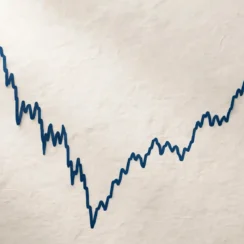
Stock market crashes feel catastrophic while they are happening, with headlines full of record falls. Yet history tells a calmer story: every major crash so far has eventually been followed by a recovery. Understanding how past crashes unfolded, and how long recoveries took, helps investors keep …
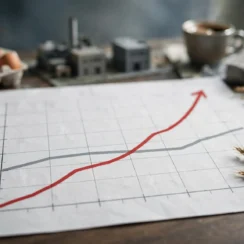
Stagflation is one of the most dreaded words in economics. It describes a painful combination: prices rising quickly while the economy barely grows and unemployment climbs. Each problem is hard enough on its own, but together they trap policymakers, because the usual cure for one problem …
Immigration is one of the most debated topics in economics, and often misunderstood. Headlines often present it as purely good or purely harmful, but the evidence paints a more balanced picture. Immigration changes the size of the workforce, the demand for goods and services, public finances, …
When economists talk about a country’s savings rate, they mean the share of income that households, businesses, and government set aside instead of spending. It may sound like a dry statistic, but it quietly shapes how fast an economy can grow. Savings influence investment, interest rates, …
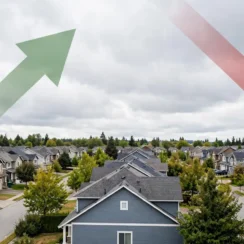
House prices can climb steadily for years and then stall or fall with surprising speed, leaving buyers and sellers wondering what changed. No single factor controls the housing market. Prices emerge from a tug of war between supply, demand, borrowing costs, and confidence. Understanding these forces …
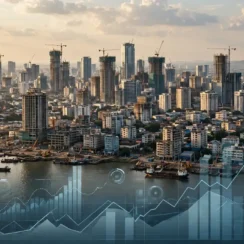
Emerging markets are countries whose economies are growing quickly and becoming more connected to global finance, but which are not yet as stable as mature economies. They attract investors with the promise of faster growth, yet they also carry risks beginners often underestimate. Understanding both sides …