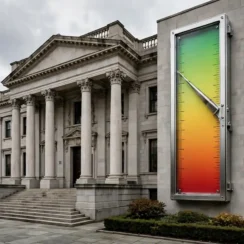
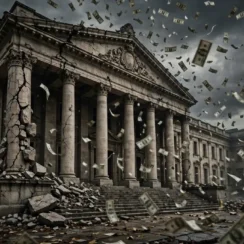
When a credit rating agency downgrades a country, currencies wobble and borrowing costs can jump within hours. These private companies issue opinions, not laws, yet their judgments shape what governments can afford to do. Understanding how they work, and why markets listen, explains a surprising amount …
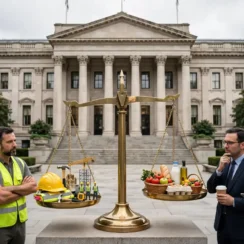
Central banks are famous for fighting inflation, but watch any major rate decision and you will hear almost as much about jobs as about prices. Many central banks, most famously the Federal Reserve, operate under a dual mandate: keep prices stable and keep employment as high …
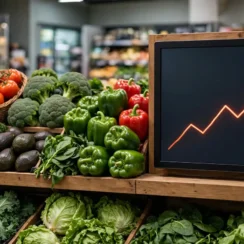
Few price rises hit households as directly as food. Everyone eats, every week, so when grocery bills climb, people feel the squeeze in a way abstract statistics cannot capture. Rising food prices are rarely caused by one thing. They usually result from several pressures building at …
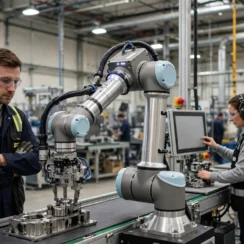
Robots on factory floors, self-checkout machines, and software that drafts documents in seconds all raise the same anxious question: what happens to our jobs and pay? Automation has reshaped work for two centuries, and its effects are neither the disaster some fear nor the pure progress …
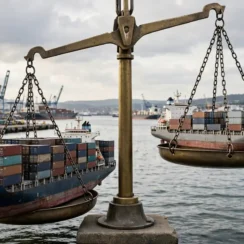
Politicians often describe a trade deficit as a sign that a country is losing, while many economists say it is far more complicated than that. Headlines rarely explain what the number actually measures. This article breaks the idea into plain language: what a trade deficit is, …
Exchange-traded funds, usually called ETFs, have become one of the most popular ways for ordinary people to invest, yet many savers use them without fully understanding what they own. An ETF is simply a fund that trades on a stock exchange like a single share, and …
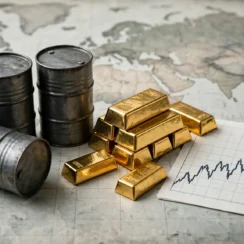
A war breaks out, a major central bank surprises investors, or a disaster disrupts shipping, and within hours oil prices jump, gold climbs, and stock markets fall. These reactions can look chaotic, but they follow a logic. Oil, gold, and stocks each respond to the same …
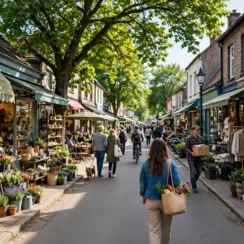
When people picture the economy, they usually imagine stock markets, giant corporations, and government budgets. Yet much of the real economy runs through small businesses: the bakery on the corner, the local repair shop, the five-person software firm. Together, they employ huge numbers of people and …
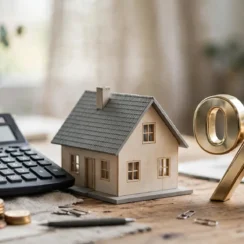
Interest rates are the price of borrowing money, and even small changes can reshape what a home, a car, or a business loan really costs. When central banks raise or lower their benchmark rate, the effect ripples through every mortgage and loan in the economy. Understanding …
When a country defaults, it means the government cannot or will not pay back money it has borrowed. Unlike a company, a country cannot simply be shut down and sold, so a default sets off a messy chain of events affecting its currency, banks, citizens, and …