An emergency fund is money set aside to cover your essential expenses when life goes wrong — a job loss, a medical bill, or an urgent car repair. The classic advice is to save three to six months of expenses, but that range is wide. Whether …
Subscriptions are easy to start and even easier to forget. A streaming service here, a fitness app there, a cloud storage plan you barely use — each one feels small on its own, but together they can quietly drain hundreds of dollars from your budget every …
Immigration is one of the most debated topics in economics, and often misunderstood. Headlines often present it as purely good or purely harmful, but the evidence paints a more balanced picture. Immigration changes the size of the workforce, the demand for goods and services, public finances, …
When economists talk about a country’s savings rate, they mean the share of income that households, businesses, and government set aside instead of spending. It may sound like a dry statistic, but it quietly shapes how fast an economy can grow. Savings influence investment, interest rates, …
Every business owner eventually leaves their business, whether through a sale, a family handover, or simply closing the doors. An exit strategy is a plan for that moment, made while you still have time to shape the outcome. Planning early usually means more money, less stress, …
Frugal living has an image problem. Many people picture joyless penny-pinching, skipped treats, and constant sacrifice. In reality, frugality done well is about spending less on things that barely matter to you so you can afford the things that genuinely do. The goal is a life …
Student loans can feel like a weight you carry for years after graduation, but they become far less stressful once you have a clear plan. You need to know exactly what you owe, choose a repayment approach that fits your budget, and make steady progress month …
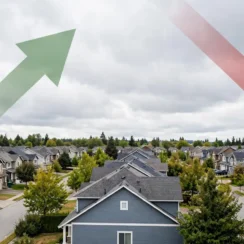
House prices can climb steadily for years and then stall or fall with surprising speed, leaving buyers and sellers wondering what changed. No single factor controls the housing market. Prices emerge from a tug of war between supply, demand, borrowing costs, and confidence. Understanding these forces …
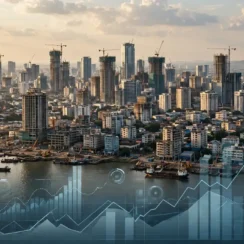
Emerging markets are countries whose economies are growing quickly and becoming more connected to global finance, but which are not yet as stable as mature economies. They attract investors with the promise of faster growth, yet they also carry risks beginners often underestimate. Understanding both sides …