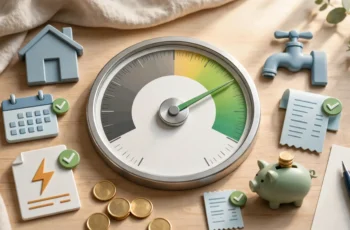
Most people save whatever is left after spending, and for most people, nothing is left. Paying yourself first reverses that order: you move money into savings or investments as soon as you are paid, then live on the rest. It is a simple change in sequence, but it can completely change your financial results.
What Paying Yourself First Actually Means
The idea is to treat savings like your most important bill. Rent, utilities, and loan payments are taken seriously because they have due dates and consequences. Paying yourself first gives your savings the same priority, instead of treating it as optional money that depends on how the month happens to go.
Why Saving What Is Left Rarely Works
Spending expands to fill the money available. Small, unplanned purchases feel harmless in the moment, but together they consume the amount you intended to save. By moving money first, you remove that temptation entirely, because the money is no longer sitting in your everyday account waiting to be spent.
Decide on a Percentage, Not a Guess
Choose a realistic percentage of your income, such as five or ten percent to begin with, rather than a vague intention to save more. A percentage adjusts automatically when your income changes, and a modest, sustainable rate is far better than an ambitious one you abandon after two months.
Automate It on Payday
Set up an automatic transfer for the day your income arrives. Automation is what turns a good intention into a reliable system. Once it is set up, you do not need to make a fresh decision every month, and decisions are exactly where most saving plans break down.
Keep Savings Separate From Spending Money
Hold your savings in a separate account, ideally one that is not linked to your everyday card. A small amount of friction helps: if accessing the money requires a deliberate transfer, you are far less likely to spend it on impulse, while it remains available for genuine emergencies.
Start With One Goal at a Time
Paying yourself first works best when the money has a clear purpose. Start with an emergency fund, then move on to retirement or another long-term goal. Trying to fund everything at once can make each amount feel too small to matter and weaken your motivation.
Adjust Your Spending Around the New Order
At first, living on what remains may require small adjustments, such as planning discretionary spending more carefully. Most people adapt within a month or two and barely notice the difference, while their savings balance grows in a way it never did before.
Increase the Amount Gradually
Once the habit feels normal, raise your percentage by one point at a time, perhaps every few months or whenever your income rises. Gradual increases are almost painless, but over years they add up to a substantially higher savings rate.
What to Do When Money Is Tight
Paying yourself first still works when money is tight, but the amount may need to be very small for a while. Reducing the amount is always better than stopping completely, because the habit itself is the asset you are building. When your situation improves, you can raise the amount again without having to rebuild the system from scratch.
Protect the Habit From Lifestyle Creep
As income grows, spending tends to grow with it, a pattern often called lifestyle creep. Paying yourself first is one of the best defences against it, because your savings rise automatically with every pay increase if you keep the percentage fixed. Your lifestyle can still improve, just more slowly than your income, and that gap is where wealth is built.
Make It a Family or Household Habit
If you share finances with a partner or family, paying yourself first works best when everyone understands and agrees to the plan. Discuss the goal together, agree on the amount, and review progress openly. A shared commitment removes friction and makes it far less likely that the savings will be quietly spent on something else.
A Small Habit With Long-Term Results
Paying yourself first does not require a high income or complicated investments. It requires putting your future ahead of your spending, consistently and automatically. Over time, that simple order of operations is what turns regular income into real financial security.